Carpet Cleaner in London
Our carpet cleaning service in London is designed for homes, flats, offices and rental properties that need fibres cleaned with care and attention to the finish. We work across carpeted rooms, stairs, landings and other fitted flooring areas, helping reduce everyday soiling, revive the look of the pile and support a fresher interior overall. The service is shaped around the material underfoot, the level of traffic and the type of marks that are present, rather than a one-size-fits-all routine.
If you are comparing options, our carpet cleaning service explains the core process we use for routine cleaning and deeper refresh work. For homes with matching soft furnishings, the same careful approach can be extended to upholstery cleaning, which is useful when you want the room to feel consistently maintained rather than only treating the floor covering. We keep the service focused on practical results, with methods chosen to suit the fibres and the condition of the carpet.
To request a quotation, see our pricing and quotes page or send us your job details for a clear response. A little information about the carpet type, room count and visible marks helps us steer the discussion quickly. If you are unsure what to include, just describe the areas that need cleaning and the result you would like to achieve.
What the service covers
Carpet cleaning is not only about appearance. Over time, fibres collect dust, tracked-in dirt, airborne particles and residues from daily living, so a proper clean needs to go beyond a surface pass. We work on bedrooms, reception rooms, hallways and other busy areas where traffic patterns often leave the pile looking tired. In the right circumstances, a thorough clean can help the colour look more even and the texture more consistent.
We also handle carpets that need more than standard maintenance. That may include areas near entrances, stair treads that receive concentrated wear, or rooms where spills and patchy marks have settled into the fibres. Where a stain is present, the aim is to choose a method that is appropriate for the carpet construction and the affected area, rather than treating every mark the same way. Deep cleaning can be relevant when the carpet needs a more intensive clean than regular upkeep alone.
For commercial settings, the same service logic applies in a more structured way. Busy circulation routes, waiting areas and meeting spaces can build up wear unevenly, so the cleaning plan should reflect use rather than room size alone. If your premises also need general upkeep beyond the floor finish, office cleaning may be a useful related service to consider alongside the carpet work, especially where presentation and day-to-day cleanliness both matter.
Cleaning methods and fibre care

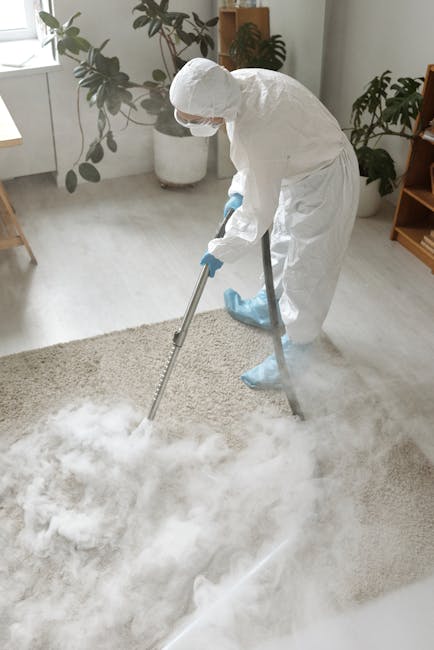
Different carpets respond differently to moisture, agitation and cleaning solutions, so the service starts with the fibre and the backing in mind. Synthetic carpets, wool-rich carpets and mixed fibres can each need a slightly different balance of cleaning power and drying approach. Good carpet care is about removing soil without creating unnecessary risk to the material beneath. That means using the right level of extraction, pre-treatment and finishing for the job in hand.
Some carpets have a low pile and can be cleaned efficiently with a stronger extraction method, while others need a more controlled process to protect the surface finish. We keep the explanation straightforward: if a carpet is delicate, older or previously treated, the method should respect that. If a carpet is durable but heavily used, the cleaning may place more emphasis on lifting embedded dirt and evening out the appearance in the main traffic lanes. Where required, rug cleaning offers a related option for loose floor coverings that need separate handling.
It is also sensible to distinguish between light refreshing and more involved restoration-style cleaning. A lightly marked room may only need a careful clean to remove general dullness, while a heavily used area may need a phased approach that tackles pre-existing wear, isolated spots and broader soil build-up. That difference matters because it shapes both the method and the likely finish, and it helps set sensible expectations before work begins.
Rooms, stairs and everyday wear
One of the most common reasons people ask for carpet cleaning is straightforward wear. Hallways pick up grit from shoes, stairs show concentrated friction on the tread edges, and living rooms often collect a mixture of footfall marks, pet traces and general household dust. Each part of the property can need a slightly different focus. Stair carpets, for example, often benefit from more detailed attention because the geometry of the steps makes regular vacuuming less effective.
Where a home has several carpeted spaces, it can be helpful to think in practical groups rather than treating the property as a single large job. A family room, a landing and a set of stairs may each show different patterns of soiling, even when they were installed at the same time. That is one reason the service is best discussed in terms of use, fibre and visible condition rather than in generic terms alone. If other floor surfaces need attention too, hard floor cleaning can complement the carpet work in mixed-floor homes.
For many customers, the purpose of cleaning is not to make a carpet look newly fitted, but to improve the way the room feels and presents. That could mean reducing the look of heavy traffic lines, softening patchy dullness, or helping a room look more cared for before guests, tenants or staff use it again. The outcome depends on the carpet, the marks present and the amount of wear that has already taken place, so honest discussion of condition is important.
Stains, spills and problem areas
Stain treatment is usually the part of carpet cleaning people think about first, but it works best when it is handled as one element of the wider clean. Fresh spills, old food marks, drink spots and tracked-in residue can all behave differently once they have settled into the pile. A careful approach avoids over-wetting and avoids using a single aggressive treatment for every mark, because that can sometimes create more visible issues than it resolves.
There are also practical limits to what cleaning can achieve. Some marks are no longer just surface contamination; they may be tied to fibre damage, colour loss, transfer from another material or long-term absorption. In those cases, a professional clean can still improve the overall appearance of the carpet and make the affected area less noticeable, but it should not be described as a cure for every type of staining. That distinction helps customers make sensible decisions about which rooms need attention first.
When carpets have suffered a specific incident, it is often useful to deal with the area promptly and to avoid adding unsuitable products before the work is assessed. Even a small patch can spread or set differently once household cleaners are mixed together. If you are arranging cleaning for several soft surfaces at the same time, one-off cleaning may suit a broader refresh where carpets are only one part of the plan.
End of tenancy and moving day cleaning
Carpet cleaning often forms part of a wider changeover between occupants. In rental properties, carpets can benefit from a proper clean before a new tenancy begins, especially where furniture has left compressed areas or ordinary living has left general dullness behind. The work may be requested at the end of a tenancy, before marketing a property, or when a household is moving and wants the flooring to be in good condition for the next stage.
Where the job forms part of a departure or handover, it is sensible to plan the order of work carefully. A carpet clean may be most effective once larger items are removed and access to the full floor area is available. If you are arranging several property tasks together, end of tenancy cleaning can provide a broader context for the carpet work, while still allowing the flooring to be treated as a distinct and important part of the process.
Before requesting a price, it helps to note which rooms are carpeted, whether stairs are included and whether there are any obvious problem areas such as pet traffic, drink marks or heavy wear by doors. You do not need to prepare a long report; a short, accurate description is usually enough to start the conversation. Clear information tends to make the quotation more useful and reduces back-and-forth later on.
Domestic and commercial settings
We clean carpets in domestic and commercial settings because the basic requirements overlap, even though the use cases differ. In homes, the emphasis may be on restoring a comfortable feel and improving day-to-day presentation. In workplaces, the focus often shifts to controlled maintenance, repeat traffic and keeping public or shared spaces looking tidy. In both cases, the carpet itself should guide the method, not just the calendar.
Offices, reception areas and other professional spaces can build up visible wear in pathways well before the rest of the carpet looks tired. Targeting those areas carefully can make a noticeable difference to the room as a whole. Where the job also involves floor areas in communal or tenant-use properties, domestic cleaning may be helpful for the wider interior, while the carpet service remains focused on the fibres and finish underfoot.
It is also worth noting that commercial carpet care may need more attention to timing and access. A room that sees daily use often needs cleaning planned around quieter periods, while a domestic room can sometimes be tackled more flexibly. Rather than promising a fixed schedule for every case, the practical approach is to discuss the area, the type of carpet and the level of disruption that can be accommodated.
Helpful preparation for a quotation

A quotation becomes more accurate when the cleaner knows the room count, floor access and general condition of the carpet. Mention whether the carpet is fitted or loose, whether stairs are part of the job, and whether there are stains, pet odours or high-traffic sections that need special attention. A few clear details are usually more useful than a long explanation. If photographs are available, they can help, but they are not always necessary for a first conversation.
Access can matter as much as the carpet itself. If furniture will remain in place, the quote may need to account for the areas that can and cannot be cleaned. If a room is empty, the process may be simpler, but there can still be details worth noting, such as awkward corners, delicate edging or limited water access. When carpets need to be cleaned alongside furnishings, furniture cleaning can be considered separately where relevant, though only if that is part of the supplied service list.
We keep requests practical. You can outline the rooms you want cleaned, explain what prompted the enquiry and ask for a quotation based on the job as described. That is usually enough to start. If you are ready to move ahead, send the details and we will take it from there in a straightforward way.
Pricing factors and service scope
Carpet cleaning quotes are usually shaped by a combination of size, access, condition and the level of treatment needed. A compact room with light soil will not require the same approach as a larger space with deep wear or several specific marks. If stairs, landings or separate rugs are included, that can also affect how the work is scoped. Rather than assuming one price suits every job, it is better to quote against the actual areas involved.
Another factor is the level of care the carpet needs. Some floors can be cleaned efficiently with routine treatment, while others need more time spent on pre-treatment, targeted attention or careful finishing. The point of a good quotation is not only to state a figure, but to describe what is included so the customer can compare like for like. If you need a service that goes beyond carpets alone, our wider cleaning company information may help place the work in context.
For customers who want several rooms addressed in one visit, a good quote should make clear what is covered and whether the focus is a simple freshen-up or a more involved clean. That clarity is valuable because it avoids vague expectations. It also helps when the property contains a mix of carpet types, as the work may need to be adjusted room by room rather than delivered as a single generic pass.
About London
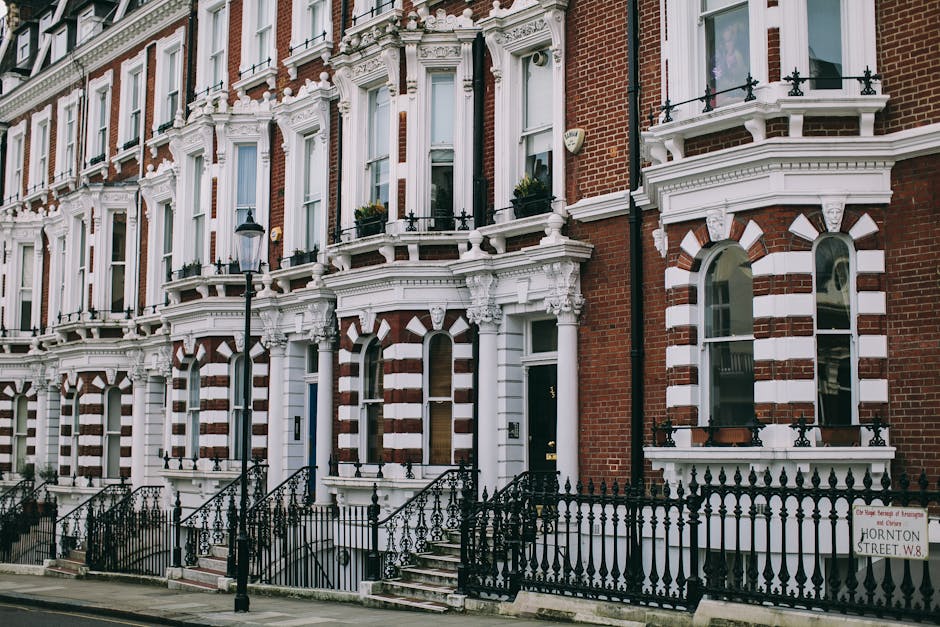
London is a large and varied capital city shaped by the River Thames, a long history of settlement and continuous change across many districts. Its growth from Roman Londinium to a modern metropolis has left a layered urban landscape in which medieval churches, Georgian terraces, Victorian railways and contemporary towers sit within the same wider city. The Thames remains one of the defining physical features, crossed by a sequence of bridges and edged by long stretches of riverside walkways, embankments and restored industrial land. Areas such as the City, Westminster, the South Bank and Canary Wharf each show a different face of the capital, from ceremonial government quarters to financial districts and cultural riverfronts. London’s transport network is similarly influential, with the Underground, Overground, buses, suburban rail lines and river services all shaping how people move through the city. Parks form another important part of its character, from the Royal Parks close to the centre to large open spaces farther out, while museums, theatres, markets and galleries support a dense cultural life. The city is also known for its borough structure, which creates distinct local identities within the wider whole, and for the way neighbourhoods can change from one street to the next. That combination of scale, history and variety gives London a strong sense of place, with architecture, commerce and public life layered across a vast and still-evolving urban setting.
Carpets for homes, rentals and workplaces
Different settings call for different priorities, and that is why the service is best understood as a flexible one rather than a fixed package. In a home, the goal may be to revive a sitting room or staircase that has lost brightness. In a rental property, the aim may be to present the flooring in a cleaner state for the next occupant. In a workplace, the focus may be on keeping circulation areas and shared rooms presentable without unnecessary disruption.
We can apply the same core cleaning principles across those contexts while still respecting the room’s function. A family room may have toy marks and everyday soil, a hallway may show grit from shoes, and an office entrance may show concentrated wear around the doorway. Those differences affect the cleaning plan. Where soft furnishings and carpets need coordinated attention, deep cleaning can bring the various elements together into a more complete refresh without pretending that every surface needs the same treatment.
For customers who want a quick sense of what to ask for, it usually comes down to three things: which rooms, which floor coverings and what condition. That simple framework helps keep the discussion focused and makes the quotation easier to interpret. If there are special concerns, such as a long-standing mark or a room that sees heavier use than the rest of the property, include that too so the response is better aligned to the actual work needed.
Arrange your carpet cleaning quotation

Our carpet cleaning in London is intended for customers who want a practical, clearly scoped service for fitted carpets and related soft floor coverings. The work can be shaped around domestic rooms, shared spaces, office areas and tenancy changeovers, with attention given to the type of fibre, the level of wear and any visible marks that need careful treatment. The emphasis stays on useful results, honest scope and a straightforward conversation about what the carpet needs.
If you are ready to plan the job, a brief description is enough to start: tell us the rooms involved, whether stairs or rugs are included, and whether there are particular stains or heavy traffic areas. You can also compare the service with carpets cleaner for another way of finding the core flooring service on this site, though the important step is simply to request the quotation that matches your property. We aim to keep the process clear from the outset.
For the next step, use the quotation page or send your enquiry details in plain text. Request a quotation here and we will take it from there.