Fulham Broadway London carpet cleaning guide for tough stains
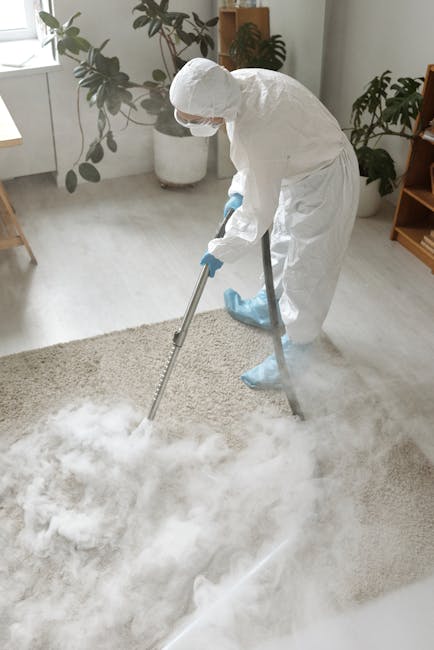
If you live near Fulham Broadway, you already know carpets in busy homes and flats take a beating. Mud from a wet commute, red wine after dinner, a drop of coffee on a Monday morning, or a mystery mark from who-knows-what - they all land the same way: suddenly and annoyingly in the middle of the room. This Fulham Broadway London carpet cleaning guide for tough stains is built to help you deal with those moments properly, without making things worse.
Truth be told, most carpet disasters are not caused by the stain itself. They come from the first 60 seconds after the spill. The wrong cloth, too much water, or a harsh cleaner can lock a stain in for good. So below, you'll find a practical, local-minded guide to spotting the stain, choosing the right method, and knowing when a professional clean is the safer bet. Simple enough. Useful enough. And hopefully a little less stressful.
Expert summary: For tough stains, the best results usually come from fast blotting, careful product choice, low-risk spot treatment, and the right cleaning method for your carpet fibre. If a stain is old, greasy, dyed, or unknown, don't keep experimenting.
- Why tough-stain carpet cleaning matters in Fulham Broadway
- How stain removal and carpet cleaning work
- Key benefits and practical advantages
- Who this guide is for
- Step-by-step stain cleaning guidance
- Expert tips for better results
- Common mistakes to avoid
- Tools, resources and recommendations
- Law, compliance, standards and best practice
- Cleaning methods compared
- Real-world example
- Practical checklist
- Conclusion
- Frequently asked questions
Why Fulham Broadway London carpet cleaning guide for tough stains Matters
Carpets around Fulham Broadway tend to live hard-working lives. Homes here often have a mix of foot traffic, pets, visitors, delivery drop-offs, and the general London habit of bringing the outside indoors. Wet pavements, road grit, coffee runs, takeaway spills, and winter slush all add up. A stain that would be annoying anywhere becomes more persistent in a busy local household because it gets walked on before anyone notices.
Why does that matter? Because tough stains are rarely just "dirty carpet". They can affect the carpet fibres, underlay, smell, and overall look of a room. If a stain has food oils, tannins, protein, dye, or soil mixed into it, it may need a different treatment from a simple surface mark. One-size-fits-all cleaning is where people get caught out.
There's also the practical side. If you rent near Fulham Broadway, your carpet condition may matter at check-out. If you own the property, a neglected stain can make the whole room feel tired, even when the rest of the place is tidy. Let's face it, one ugly patch in the centre of the lounge can drag down everything.
The aim here is not just to make the stain disappear for an afternoon. It's to remove it safely, preserve the carpet pile, and prevent the same mark from ghosting back a day later. That "it looked fine until it dried" problem is very common. Frustrating, but common.
How Fulham Broadway London carpet cleaning guide for tough stains Works
Good carpet stain removal starts with identification. The stain type, carpet fibre, age of the mark, and previous cleaning attempts all change the approach. A wool carpet, for example, needs more caution with heat and chemistry than many synthetic carpets. A fresh tea spill behaves very differently from an old paint spot or greasy food mark.
Most effective cleaning follows the same broad logic:
- Remove loose material first. Scrape or lift solids gently so they don't spread.
- Blot, don't rub. Rubbing frays fibres and pushes the stain deeper.
- Test a small hidden area. This helps check colour stability and fibre reaction.
- Use the right treatment. Water-based, solvent-based, or enzyme-based methods suit different stains.
- Extract residue carefully. If cleaner is left behind, it can attract dirt again.
- Dry properly. Damp carpet can smell musty, flatten, or wick stains back up.
The "how" also depends on whether the job is a spot clean, a deep clean, or a more restorative treatment. A fresh blotting session can deal with a spill on the day. But if the stain has set in, or the carpet is generally dull, a deeper approach such as professional carpet cleaning may be the better route.
In our experience, the biggest difference between a decent result and a disappointing one is patience. People want the stain gone now. Understandable. But moving too fast often means the mark spreads, binds, or reappears later under daylight, which is a bit of a nuisance if you've just spent half an hour trying to fix it.
Key Benefits and Practical Advantages
A careful carpet cleaning routine does more than improve appearance. It protects the investment under your feet and makes the room feel properly cared for. That matters in a flat near Fulham Broadway where space is valuable and every room does a lot of work.
Here are the main practical benefits:
- Better stain removal success: The right technique can lift marks that household cleaning alone leaves behind.
- Less fibre damage: Gentle methods help protect pile texture and colour.
- Reduced odour: Food spills, pet accidents, and drink stains often carry smells as well as colour.
- Cleaner indoor feel: Removing embedded residue helps a room feel fresher, not just look cleaner.
- Longer carpet life: Less scrubbing and fewer harsh chemicals mean less wear.
- Better rental presentation: Useful for inspections, move-outs, and everyday upkeep.
There's another advantage people overlook: confidence. Once you understand what to do after a spill, you stop panicking. You stop making random attempts with whatever cleaner is under the sink. And that alone can save a carpet. A very practical kind of peace of mind, that.
Who This Is For and When It Makes Sense
This guide is for anyone in or around Fulham Broadway dealing with a carpet mark that looks more stubborn than usual. That includes homeowners, renters, landlords, letting agents, office managers, and busy households with children or pets.
It makes sense if you are dealing with:
- tea, coffee, red wine, juice, or sauce spills
- mud, street dirt, or gritty marks from wet shoes
- pet accidents or lingering smells
- grease from food or cosmetics
- pen, makeup, paint, or dye transfer
- old stains that keep reappearing after cleaning
It also makes sense if the carpet looks tired in general and the stain is only part of the issue. A one-off deep clean can sometimes bring the whole room back to life, especially after winter, renovations, or a period of heavy use. If the property has had decorating work, for example, pairing carpet care with after builders cleaning can save a lot of frustration.
What if the stain is tiny? Still worth dealing with quickly. Small marks often become larger problems because they attract attention once you know they're there. Funny how that works.
Step-by-Step Guidance
Below is a practical, low-risk way to approach most fresh carpet stains. It is not a magic trick, and it won't suit every fibre or stain type, but it will keep you from making the usual mistakes.
1. Act quickly, but calmly
Get to the stain as soon as you can. Fresh spills are usually easier to lift than dried ones. Use a clean white cloth or paper towel and blot from the outside of the spill toward the centre. That helps stop the stain spreading outward like a halo.
2. Identify what you're dealing with
Ask yourself what caused the mark. Was it water-based, oily, sugary, protein-based, or something unknown? A cup of tea, for example, is different from gravy. Pet accidents are different again because they can leave both staining and odour. If you don't know what it is, keep the treatment gentle until you've tested it.
3. Remove solids without pushing them deeper
If there's food, mud, or thick residue, lift it carefully using a spoon edge or blunt scraper. Don't grind it into the pile. That part sounds obvious, but people do it all the time when they're in a hurry.
4. Blot with a little clean water first
For many fresh stains, a small amount of lukewarm water on a cloth can help dilute the mark before any cleaner is used. Use only enough to dampen the area. Over-wetting is where a lot of problems start.
5. Apply the right stain treatment
Use a suitable cleaner for the stain type and carpet fibre. Keep the application controlled. Spray onto the cloth first if needed, rather than soaking the carpet directly. Gentle, repeated blotting is usually better than one aggressive attack.
6. Rinse lightly and remove residue
Once the stain loosens, lightly blot with clean water to remove cleaner residue. Leftover product can leave a sticky patch that attracts soil later. That "clean today, dirt tomorrow" cycle is maddening, but easy to avoid.
7. Dry thoroughly
Use dry cloths, ventilation, or a fan if you have one. Carpets near busy London roads can pick up damp odours if they stay wet for too long, especially in cooler months. Better to dry slowly but properly than leave a hidden damp patch under the surface.
8. Inspect once dry
When the carpet is dry, check in daylight if possible. Some stains lighten further as they dry; some reappear as wicking occurs. If the mark returns, that usually means residue or deeper contamination is still present, and a more thorough treatment may be needed.
Expert Tips for Better Results
Here's where experience matters a bit. Small changes in technique can make a big difference to the outcome, especially with delicate or expensive carpets.
- Use white cloths only. Coloured cloths can transfer dye, and then you have a second problem. Lovely.
- Test before treating. Even mild products can affect wool, blends, or faded carpets.
- Work in stages. Many stains respond better to several gentle passes than one hard scrub.
- Know when heat helps and when it hurts. Some stains respond well to warm water; others, like protein-based marks, can set if overheated.
- Vacuum before deep cleaning. Loose grit turns into abrasive mud if you introduce liquid too soon.
- Watch for dye transfer. Sharp-coloured drinks, makeup, and ink can spread fast.
If the carpet is valuable or made from wool, err on the careful side. That's not being timid. It's being sensible. A cautious first pass is better than a permanent patch of damage.
One useful rule: if you need to ask yourself, "Am I making this better or just wetter?", stop and reassess. That question saves carpets.
Common Mistakes to Avoid
This is the section that saves most people from a bigger repair job later.
- Rubbing the stain: This pushes it deeper and can roughen the fibres.
- Using too much cleaner: More product does not equal better results.
- Skipping the test patch: Colour loss is not something you want to discover in the middle of the lounge.
- Mixing products: Two cleaners can react badly together and leave residue or fumes.
- Over-wetting the backing: That can cause long dry times, odour, and reappearing stains.
- Ignoring old stains: Stains that seem "done" may still bleed through after a surface clean.
- Using the same method for every stain: Tea, grease, mud, and pet spots all need different thinking.
Another one, quietly damaging: cleaning only the stain but not the surrounding area. That can leave a visible ring. The patch looks tidy in one spot and oddly brighter around the edges. Not ideal.
Tools, Resources and Recommendations
You do not need a van full of kit to deal with most stains. A small, sensible cleaning setup is often enough for immediate action, and then a deeper clean can follow if needed.
Helpful tools include:
- white microfibre cloths or plain white towels
- a soft-bristled brush for light agitation
- a blunt spoon or scraper for solids
- clean spray bottle with lukewarm water
- vacuum cleaner with decent suction
- a carpet-safe spot cleaner suited to the stain type
- fans or open windows for drying
If you're comparing professional services, look at more than price alone. Ask what cleaning method is used, whether the team understands carpet fibres, how stain pre-treatment is handled, and what drying expectations you should have. A company with a clear process is usually easier to trust than one promising miracles in five minutes.
For broader home upkeep, you may also find it useful to combine carpet care with deep cleaning or, for general home maintenance, domestic cleaning. If you're preparing a whole property, a broader service such as one-off cleaning can make the job feel less fragmented.
Law, Compliance, Standards, or Best Practice
Carpet cleaning itself is not usually a heavily regulated activity in the way some specialist trades are, but good practice still matters. In the UK, customers should reasonably expect clear pricing, honest service descriptions, and proper care with products and equipment. If a cleaner uses chemicals, they should handle them safely and follow product guidance. That is just basic professionalism, really.
For homes, the main best-practice points are practical rather than legal:
- use products that are suitable for the carpet type
- avoid unsafe mixing of chemicals
- ventilate rooms during and after cleaning
- protect children and pets from wet treated areas until dry
- follow reasonable health and safety precautions when using equipment
For rented properties, it's wise to check tenancy obligations carefully and keep records of what condition the carpet was in before and after cleaning. Landlords and tenants often get into avoidable disagreements because nobody documented the stain properly. A couple of photos can save a lot of back-and-forth.
Professional cleaners should also have suitable insurance and a transparent complaints process. If that matters to you, it is fair to ask. In fact, you should ask. It's a normal part of choosing any cleaning company.
For service standards and company policies, pages such as insurance and safety and health and safety policy can help you understand how a provider approaches risk and customer care. If you are comparing providers, pricing transparency also matters; see pricing and quotes for a clearer idea of how estimates are usually presented.
Options, Methods, or Comparison Table
Different stains need different cleaning approaches. Here's a practical comparison to help you decide when a DIY spot treatment is enough and when a deeper service makes more sense.
| Method | Best for | Strengths | Limitations |
|---|---|---|---|
| Blotting with water | Fresh drinks, light spills | Fast, low-risk, easy to try first | Won't remove set stains or grease |
| Spot cleaning with suitable product | Specific stains like tea, coffee, food marks | Targeted and effective when matched correctly | Can leave residue or affect colour if misused |
| Hot water extraction | General deep cleaning, embedded dirt, mixed staining | Good for thorough refresh and residue removal | Needs proper drying and may not solve every old stain |
| Low-moisture cleaning | Light refresh, quicker drying needs | Less water, faster turnaround | May be less effective on heavy soiling or deep marks |
| Professional stain treatment | Tough, unknown, or delicate carpet stains | Better diagnosis and safer product choice | Costs more than DIY, but often saves mistakes |
If the stain is old, greasy, or has already been treated badly, professional support is often the smarter route. A carpet can survive a surprising amount, but repeated wrong attempts are where things go sideways.
Case Study or Real-World Example
Here's a simple, realistic example. A family in a Fulham Broadway flat noticed a red drink spill on a light carpet after an early evening get-together. The spill was blotched quickly, but a household spray was used too heavily, and the area stayed damp for too long. By the next day, the stain looked smaller, but a faint ring had formed around it. The carpet also felt slightly stiff where the cleaner dried.
What fixed it? First, the cleaner residue had to be addressed carefully. Then the area was treated again with a more controlled approach, using less moisture and better extraction. The key change was not force. It was patience and the right amount of product. The stain did not vanish instantly, but the carpet returned to a far more even finish.
The lesson is pretty straightforward: the first response matters, and so does the drying stage. If you rush one of those, the carpet tends to keep the evidence. Very helpful of it, obviously not.
That same pattern shows up again and again with tea, coffee, ketchup, and muddy footprints. Quick response helps. Correct method helps more. And for some stains, a professional clean is simply the cleanest way through the problem.
Practical Checklist
Use this quick checklist when a tough stain appears. If you follow it in order, you'll avoid most of the common mess-ups.
- Identify the stain as best you can
- Remove any solids gently
- Blot with a clean white cloth
- Test the cleaning product in a hidden spot
- Apply a small amount only
- Work from the outside in
- Do not rub hard
- Rinse lightly if needed
- Extract or blot away residue
- Dry the area thoroughly
- Check again once fully dry
- Escalate to a professional if the stain persists
If you want a broader refresh after a rough patch of weather or a busy household month, a professional carpet cleaner can save time and reduce guesswork. For areas elsewhere in the home, a service like rug cleaning or upholstery cleaning can keep the whole room looking consistent rather than half-done.
Get a free quote today and see how much you can save.
Conclusion
The best approach to tough carpet stains near Fulham Broadway is steady, not dramatic. Identify the stain, use the right method, avoid over-wetting, and do not keep scrubbing if the carpet is telling you it's had enough. The aim is a clean finish without damaging the fibres or creating a new problem underneath.
Whether you are dealing with a fresh spill, an old mark, or a carpet that just needs a proper reset, the same principle holds: careful cleaning beats desperate cleaning every time. And if you're ever unsure, a knowledgeable professional can often save both the carpet and your weekend.
At the end of the day, a clean carpet does more than look nice. It makes a room feel calmer, warmer, and easier to live in. That matters, especially in a city where everything moves fast.
Frequently Asked Questions
What is the best first step for a fresh carpet stain?
Blot the spill immediately with a clean white cloth or towel. Work from the outside toward the centre so the stain does not spread. Avoid rubbing, because that usually pushes the mark deeper into the fibres.
Can I use washing-up liquid on a carpet stain?
Sometimes a very small amount can help with some stains, but it is not a universal fix. It can leave residue if overused, and residue attracts dirt. If you are unsure, test first in an unseen area or use a product designed for carpets.
Why does a stain come back after cleaning?
That usually happens because moisture or residue from deeper in the carpet rises back to the surface as it dries. It can also happen if the stain was not fully removed the first time. This is called wicking, and it is common with over-wet cleaning.
Are red wine stains harder to remove than tea stains?
Often, yes. Red wine contains strong dye compounds, so it can be more stubborn than many tea spills. Speed matters a lot, and so does using the right treatment. Old red wine marks can be especially tricky.
Should I hire a professional for pet stains?
If the stain is recent and small, you may be able to manage it carefully at home. But if there is odour, repeat accidents, or the stain has soaked through, a professional clean is usually the safer option. Pet stains often need more than surface cleaning.
How long should a carpet take to dry after cleaning?
Drying time varies depending on the method used, how much liquid was applied, ventilation, and the carpet type. A lightly treated spot may dry fairly quickly, while a deeper clean can take much longer. Good airflow always helps.
Can all stains be removed completely?
No, not always. Some stains permanently alter fibre colour or have already damaged the pile. The goal is to improve appearance as much as possible without causing additional harm. A professional can usually tell you what is realistic after inspection.
Is steam cleaning safe for wool carpets?
It can be, but it needs to be handled carefully. Wool is sensitive to heat, moisture, and harsh chemicals. If your carpet is wool or wool-rich, it is worth checking compatibility before using high-moisture methods.
What stain types are hardest to clean from carpets?
Grease, dye-based marks, old pet stains, paint, ink, and set-in food spills are often the most difficult. Some stains respond well to the right method; others are more about careful reduction than total removal.
How do I know whether a stain needs a deep clean or just spot treatment?
If the mark is fresh, small, and clearly identified, spot treatment may be enough. If the stain is old, has spread, has odour, or sits within general soiling, a deeper clean is usually better. If in doubt, treat gently first and reassess after drying.
What should I ask before booking a carpet cleaning service?
Ask what cleaning method they use, whether it suits your carpet type, how they handle tough stains, whether they are insured, and what drying time to expect. It is also wise to ask how quotes are calculated so there are no surprises later.
Do professional cleaners also help with the rest of the property?
Yes, many people combine carpet work with other services when the whole home needs attention. Depending on the situation, that might include end of tenancy cleaning, oven cleaning, or window cleaning. It can be a smart way to reset a property in one go.
Where can I learn more about the company before booking?
You can review the company background on the about us page and check service information on the main homepage. If you still have questions, the contact us page is the next sensible step.