SW3 Chelsea London upholstery cleaning tips for homes
If you live in SW3 Chelsea and your sofa is starting to look a bit tired, you are not alone. Between everyday dust, coffee spills, pets, street grime and the general rhythm of London life, upholstery can lose its freshness faster than most people expect. The good news? With the right SW3 Chelsea London upholstery cleaning tips for homes, you can keep chairs, sofas and footstools looking sharper for longer without making the mistake of over-wetting or damaging delicate fabric. This guide walks through the practical stuff that actually matters: how upholstery cleaning works, what to avoid, when to call in a professional, and how to get better results at home. Truth be told, a little know-how goes a long way.
Table of Contents
- Why upholstery cleaning matters in SW3 Chelsea homes
- How upholstery cleaning works
- Key benefits and practical advantages
- Who this is for and when it makes sense
- Step-by-step guidance
- Expert tips for better results
- Common mistakes to avoid
- Tools, resources and recommendations
- Law, compliance, standards, or best practice
- Options, methods, or comparison table
- Case study or real-world example
- Practical checklist
- Conclusion
- Frequently asked questions
Why SW3 Chelsea London upholstery cleaning tips for homes Matters
Upholstery is one of those parts of the home that quietly takes a beating. You sit on it every day, the kids climb over it, guests lean on it with coats, and somehow crumbs, oils and dust just appear. In Chelsea homes, where interiors often combine lighter fabrics, classic furniture and careful styling, regular upholstery care matters even more because small marks are easier to spot and more annoying to live with.
There is also the local reality. SW3 homes can be busy, airy, elegant and full of natural light, which is lovely, but it also means faded patches, dust lines and spills show up fast. If you wait too long, a simple surface clean turns into a deeper job. And once a stain has settled into the fibres, you may be dealing with something far less forgiving.
Good upholstery cleaning is not just about appearances. It helps reduce lingering odours, removes built-up dirt that can wear fabric down, and makes daily life feel cleaner. If you have allergy concerns, pets or children, that matters all the more. Nobody wants a sofa that looks clean but smells slightly stale when the heating goes on. Not ideal, as you can imagine.
Expert summary: The best upholstery care in SW3 Chelsea is usually a mix of light weekly maintenance, careful spot treatment, and occasional deep cleaning matched to the fabric type. The real win is consistency, not force.
How SW3 Chelsea London upholstery cleaning tips for homes Works
Before you start scrubbing, it helps to understand what you are dealing with. Upholstery cleaning is not one single method. The right approach depends on fibre type, weave, filling, age of the furniture and whether the piece has a protective finish. A velvet armchair, for example, needs a very different touch from a hard-wearing synthetic family sofa.
At home, the process usually follows a sensible order: remove dry debris first, check the care label, test any product in a hidden area, then clean gently and allow proper drying. That sounds basic, but people skip the testing step all the time, and that is where trouble starts. A fabric might look robust and still react badly to a cleaning solution. Slight colour transfer, water rings or texture changes are all possible.
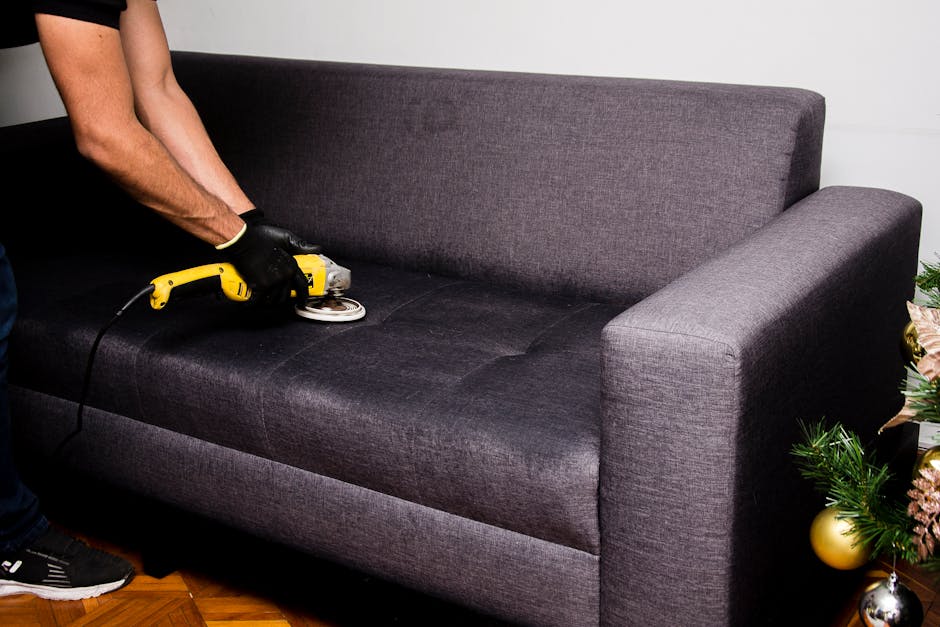
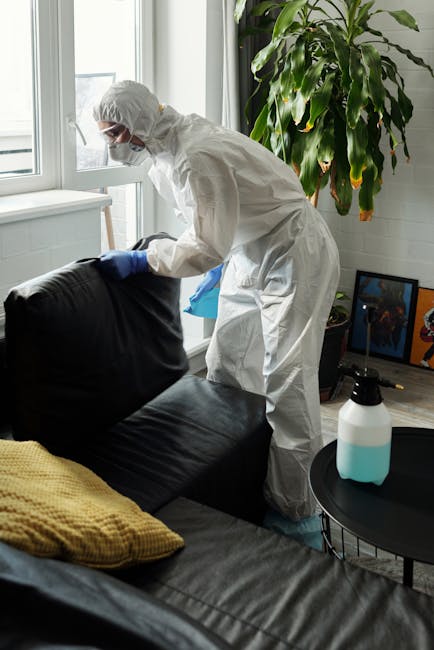
Professional upholstery cleaning, on the other hand, often uses more advanced extraction or low-moisture methods. These are designed to lift soil from deeper in the fabric while controlling drying time. For a busy home in Chelsea, that can be the difference between a sofa that is ready in hours and one that stays damp far too long. Damp fabric, by the way, is never a good guest.
The short version? Cleaning upholstery works best when you treat it like a material-specific task, not a one-size-fits-all chore. That mindset alone prevents a lot of damage.
Key Benefits and Practical Advantages
There are several reasons homeowners in SW3 choose to stay on top of upholstery care, and they are not all about looking fancy, although that does help if you have a cream linen sofa and unpredictable visitors.
- Improved appearance: Regular cleaning lifts dullness, reduces visible marks and helps colours stay richer.
- Longer fabric life: Dirt particles act like fine grit, slowly wearing fibres down each time you sit down.
- Better indoor freshness: Upholstery can hold onto odours from pets, food and everyday living, especially in smaller rooms.
- More comfortable home environment: A cleaner sofa just feels better, full stop.
- Lower risk of permanent staining: Acting early on spills usually gives you a much better chance of success.
- Improved hygiene: Dust and allergens accumulate in fabric, so regular maintenance can help keep things more pleasant.
There is also a practical financial angle. If you look after upholstery properly, you may delay replacement and preserve higher-value pieces. In homes with bespoke or designer furniture, that can make a meaningful difference. A good armchair is not cheap, and replacing it because of avoidable staining is a frustrating expense.
One more benefit people sometimes overlook: peace of mind. When you know how to respond to a spill or how to clean a sofa safely, you stop panicking every time someone drops a drink. That alone is worth quite a lot.
Who This Is For and When It Makes Sense
This guidance is for homeowners, tenants, landlords and anyone caring for fabric furniture in SW3 Chelsea. It is especially useful if your home includes:
- light-coloured sofas or armchairs
- velvet, wool, cotton or mixed-fibre upholstery
- homes with pets or children
- pieces that are used every day, such as family room seating
- furniture that needs a spruce-up before guests, photography or a property viewing
You will also find it helpful if you are weighing up whether to try a DIY refresh or book a professional upholstery cleaning service. That decision usually comes down to the fabric, the size of the stain, how valuable the furniture is and how confident you feel about avoiding damage.
To be fair, some situations are obvious. If the upholstery has a strong smell, a deep stain, or previous cleaning has already left marks, it is probably time to get more careful. If the fabric is delicate or the piece is antique, caution matters even more. Sometimes the smartest move is simply not to be brave with a bottle and a cloth.
Step-by-Step Guidance
Here is a practical cleaning process you can follow for many common home upholstery tasks. Keep it gentle. Most damage happens when people rush.
1. Identify the fabric and check the care label
Start by looking for the manufacturer's care code. Many pieces carry labels that indicate whether the fabric can be cleaned with water, solvent-based products or only professional methods. If the label is missing, test extremely carefully and assume the fabric is more sensitive than it looks.
2. Vacuum thoroughly
Use a soft brush attachment and go slowly across the surface, seams, buttons and under cushions. This removes loose grit, hair and crumbs before they get pushed deeper during cleaning. It is a boring step, admittedly, but it makes a huge difference.
3. Treat small spills quickly
For fresh spills, blot rather than rub. Use a clean white cloth or paper towel and work from the outside of the stain inward. Rubbing usually spreads the mess and can roughen the fabric. If you remember only one thing from this article, let it be that.
4. Test any cleaning product first
Apply the smallest possible amount to a hidden patch, such as the back or underside. Wait until it is fully dry to check for colour change, watermarking or texture damage. People often test too lightly and then regret it later. A tiny test now is cheaper than a big repair later.
5. Clean with the least aggressive method that works
Use a fabric-safe upholstery cleaner or a mild solution suitable for the material. Apply sparingly. Too much moisture can seep into the filling and cause long drying times, odour or mould risk. A lightly damp cloth is usually safer than anything saturated.
6. Blot, lift and repeat gently
Work in small sections. Lift dirt rather than scrubbing it around. If the stain is still visible, repeat carefully instead of escalating to a stronger product immediately. More force is not always more progress.
7. Dry the area properly
Use airflow, open windows if weather allows, and keep the room ventilated. Avoid sitting on the area until it is fully dry. In a London flat or terrace house, that may mean being a bit patient, which is never fun, but necessary.
8. Finish with a soft brush
Once dry, gently brush the fibres in the direction of the nap if the fabric allows it. This helps restore the texture and avoid a flattened look.
A sensible routine usually looks like this:
- vacuum first
- spot test
- treat stains gently
- avoid soaking the fabric
- dry thoroughly
- brush and inspect
Expert Tips for Better Results
Some upholstery problems respond beautifully to careful technique. Others do not. The trick is knowing which is which.
- Work from the outside in: This prevents stain edges from spreading.
- Use white cloths: Coloured cloths can bleed dye, especially on damp fabric. Not worth the risk.
- Keep heat under control: High heat can set certain stains and distort delicate fibres.
- Rotate cushions: This helps wear stay even and prevents one side looking old before the rest.
- Vacuum regularly: Weekly is a good habit for most households, especially busy ones.
- Handle velvet carefully: Velvet can mark with pressure and moisture, so direction and drying matter a lot.
- Be cautious with DIY stain removers: Some household products are too strong for upholstery and can strip colour.
If you have a sofa near a window in Chelsea, sunlight may also fade the fabric more quickly. That is one of those quiet little details people notice too late. If the room gets strong afternoon light, consider rearranging cushions or using blinds during the brightest hours. Small habit, big payoff.
And a very human tip: keep a clean cloth and a proper upholstery-safe cleaner somewhere easy to grab. The extra 30 seconds it saves during a spill can matter a lot.
Common Mistakes to Avoid
Most upholstery damage comes from a handful of repeat mistakes. These are the ones worth avoiding:
- Over-wetting the fabric: Too much moisture can leave rings, smells or slow drying that never quite feels right.
- Scrubbing aggressively: This can spread the stain and roughen the pile or weave.
- Skipping the test patch: Never assume the product is safe just because it says "gentle". Labels are not magic.
- Using the wrong cleaner: Some materials need solvent-based care or specialist treatment.
- Ignoring the filling: Surface cleaning is one thing, but if liquid reaches the padding, drying becomes more important than cleaning.
- Waiting too long: Old stains are harder to shift and often need professional help.
One common scenario: someone spills red wine, panics, reaches for a strong cleaner, rubs hard, then ends up with a pale patch bigger than the original stain. Annoying? Very. Avoidable? Usually, yes.
Another mistake is treating all upholstery like a durable family sofa. A linen dining chair, a wool footstool and a velvet chaise are not the same job. They just are not.
Tools, Resources and Recommendations
You do not need a cupboard full of fancy gear to look after upholstery at home. A few simple, sensible tools usually do the job well.
| Tool or product | Best use | Why it helps |
|---|---|---|
| Soft brush vacuum attachment | Routine dust and debris removal | Protects fabric while lifting loose dirt |
| White microfibre cloths | Spot cleaning and blotting | Helps prevent dye transfer and lint |
| Upholstery-safe cleaner | General stain treatment | Designed for fabric use, not harsh household cleaning |
| Spray bottle with water | Light dampening if suitable | Lets you control moisture carefully |
| Soft brush | Restoring nap and lifting fibres | Useful for suede-look and pile fabrics |
| Fan or open-window ventilation | Drying | Helps prevent lingering damp |
If you are choosing a professional service, check that they understand fabric identification, stain treatment and drying management. It also helps to ask whether they can explain the method they plan to use before they start. A good cleaner should be able to do that without sounding vague. If they cannot, that is a bit of a red flag.
For households that want a broader clean, some people pair upholstery care with other home maintenance such as deep cleaning or targeted domestic cleaning. If you are preparing for visitors or doing a seasonal reset, those services can fit together neatly.
When the upholstery has been affected by an accidental flood from a plant pot, a renovation phase, or a general whole-room refresh, a related service like one-off cleaning may make more sense than waiting for tiny jobs to build up.
Law, Compliance, Standards, or Best Practice
For homeowners, upholstery cleaning is not usually a regulated task in the way that electrical or gas work might be, but there are still sensible best-practice expectations. If you hire a cleaning company, you want them to work safely, use appropriate products, and treat your home respectfully. That sounds obvious, but it matters.
Good practice in the UK typically includes clear communication about fabric risks, careful handling of chemicals, and sensible drying advice. If a company uses electrical equipment, it should be maintained properly. If they move furniture, they should do it without damaging floors or frames. If they apply products, they should explain the likely drying time and any precautions. All very ordinary things, really, but worth checking.
It is also wise to consider household safety. If you have children, pets or people sensitive to scents or residues, ask what type of products are used and whether the room will need to be kept clear for a while. If allergy concerns are a factor, a cautious approach is better than a heavily fragranced shortcut.
For your own records, keeping labels, fabric codes or manufacturer notes can be helpful. It makes future cleaning decisions much easier. A surprisingly small bit of paperwork can save a lot of guesswork later on.
If you are comparing service providers, pages such as insurance and safety, health and safety policy and payment and security can help you understand how a company handles trust and customer protection. That sort of transparency is worth paying attention to.
Options, Methods, or Comparison Table
Different upholstery situations call for different methods. Here is a simple comparison to help you decide what suits your home.
| Method | Best for | Pros | Cons |
|---|---|---|---|
| Vacuuming and light maintenance | Routine care, dust, crumbs, pet hair | Quick, safe, low cost | Will not remove deep stains |
| Spot cleaning at home | Fresh spills and isolated marks | Convenient, immediate response | Risk of over-wetting or colour loss if done badly |
| Foam or mild upholstery cleaner | General fabric refresh on suitable materials | Can lift light dirt and odour | Not suitable for every textile |
| Professional low-moisture cleaning | Delicate fabrics, larger pieces, moderate soiling | Controlled drying, deeper result | Usually more expensive than DIY |
| Specialist treatment | Antique, luxury or heavily stained furniture | Best chance of protecting the item | Requires expertise and careful assessment |
For many SW3 homes, the sweet spot is a mix: routine home care plus occasional professional treatment for pieces that are expensive, delicate or heavily used. That combination tends to be practical, not flashy. And practical usually wins.
Case Study or Real-World Example
Here is a typical local scenario. A Chelsea household has a pale fabric sofa in the front living room. It looks lovely in daylight, which is great, until a cup of tea tips over one afternoon and leaves a dark patch near the seat seam. The family tries blotting first, then pauses and checks the care label instead of diving straight in with a random spray.
They vacuum the area, test a fabric-safe cleaner on a hidden section, and clean the mark in small stages rather than soaking the whole cushion. The stain does not vanish instantly, because real life is annoying like that, but it lightens enough that the sofa remains presentable. A few days later, they also rotate the cushions and start a weekly vacuum routine. Nothing dramatic. Just sensible maintenance.
The useful lesson here is not that every mark will disappear. It is that quick action and the right method can stop a small incident from becoming a major eyesore. Most upholstery wins are like that. Quiet, practical, slightly unglamorous. But they work.
Practical Checklist
Use this checklist before, during and after cleaning your upholstery at home:
- identify the fabric type or care code
- vacuum the upholstery thoroughly
- test any cleaner in a hidden spot
- blot spills instead of rubbing them
- use only a small amount of moisture
- work in small sections
- allow full drying before use
- brush the fabric gently if appropriate
- rotate cushions regularly
- book professional help for stubborn stains or delicate pieces
If you want a very simple rule to remember, here it is: clean gently, dry properly, and do not guess with delicate fabrics. That alone will keep you out of trouble more often than not.
Conclusion
SW3 Chelsea London upholstery cleaning tips for homes are really about protecting the furniture you already love and making everyday life feel fresher. You do not need to overcomplicate it. Start with the fabric label, keep moisture under control, act quickly on spills and stay realistic about when a professional is the better choice. That approach saves time, protects finishes and keeps your home looking cared for without the stress.
For many Chelsea households, the best results come from a calm, consistent routine rather than occasional panic cleaning. A little maintenance now and then is much kinder to your sofa than a heroic rescue attempt later. And honestly, the sofa will thank you for it.
If you are comparing home cleaning options, exploring a trusted cleaning company can help you judge which services fit your needs, especially if you want upholstery care alongside broader home cleaning support. You can also review pricing and quotes if you are planning ahead for a seasonal refresh or a bigger clean.
Get a free quote today and see how much you can save.
Sometimes the smallest care habits make the biggest difference, and a well-kept sofa has a way of making a room feel a bit more like home.
Frequently Asked Questions
How often should I clean upholstery in a Chelsea home?
For most homes, light vacuuming weekly and deeper cleaning every 6 to 12 months is a sensible starting point. High-use sofas, homes with pets, or lighter fabrics may need more frequent attention.
Can I use household cleaning products on upholstery?
Sometimes, but not always. Many household sprays are too harsh or leave residue. It is safer to use a product made for upholstery and to test it in a hidden area first.
What is the safest way to remove a fresh stain from a sofa?
Blot it gently with a clean white cloth, working from the outside in. Avoid scrubbing. Then use a suitable upholstery cleaner only if the fabric care instructions allow it.
Why does my upholstery smell after cleaning?
That often happens when the fabric or filling has stayed damp for too long, or when too much product was used. Good airflow and careful moisture control usually prevent this.
Are velvet sofas harder to clean?
They can be more sensitive to pressure, moisture and pile distortion. Velvet is not impossible to care for, but it does need a lighter touch and a careful drying process.
Can I steam clean upholstery at home?
Only if the fabric is suitable and the equipment is used correctly. Steam is not a universal fix, and too much heat or moisture can damage some materials. When in doubt, do less, not more.
What should I do if the stain keeps coming back after cleaning?
That can happen when residue remains in the fibres or the stain has soaked into the padding. A deeper, more controlled treatment may be needed, and in some cases professional help is the safer option.
How do I know if my sofa needs professional upholstery cleaning?
If the fabric is delicate, the stain is large or old, there is a lingering smell, or your DIY attempts have not worked, professional cleaning is usually the sensible next step.
Will upholstery cleaning damage my furniture?
It can if the wrong method is used, the fabric is over-wet, or the cleaner is unsuitable. Done properly, though, it is usually a safe way to refresh and protect the item.
Is it worth cleaning upholstery before guests or property viewings?
Yes, especially if your furniture looks dull or marked. Clean upholstery can make a room feel noticeably fresher and more cared for, which is often worth the effort.
Can I combine upholstery cleaning with other home cleaning tasks?
Absolutely. Many homeowners pair it with carpet cleaning, rug cleaning or a fuller home refresh to make the whole place feel lighter and cleaner at once.
What should I check before booking a professional cleaner?
Ask about the cleaning method, drying time, experience with your fabric type, and how they handle safety and aftercare. If you want a clearer sense of the company behind the service, reviewing about us can also be useful.